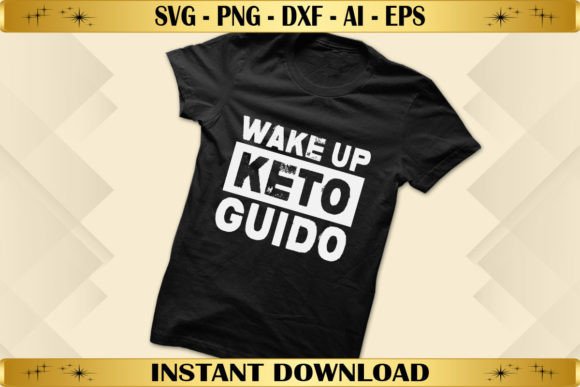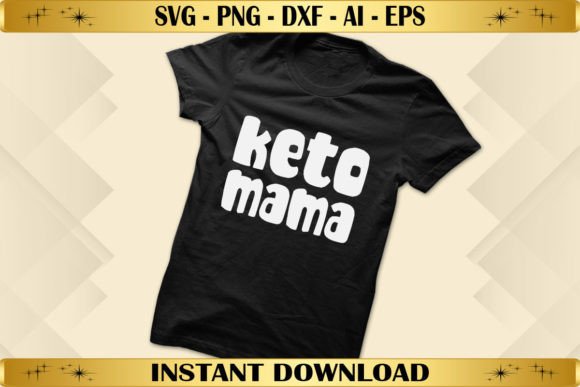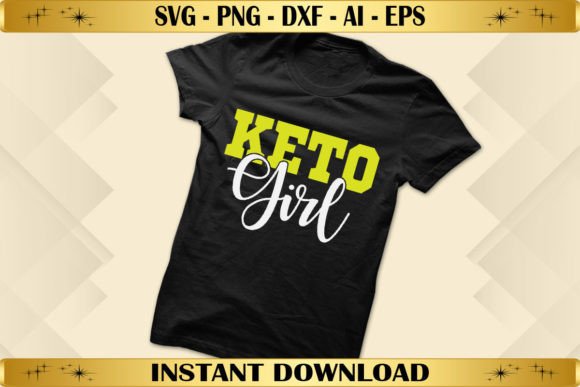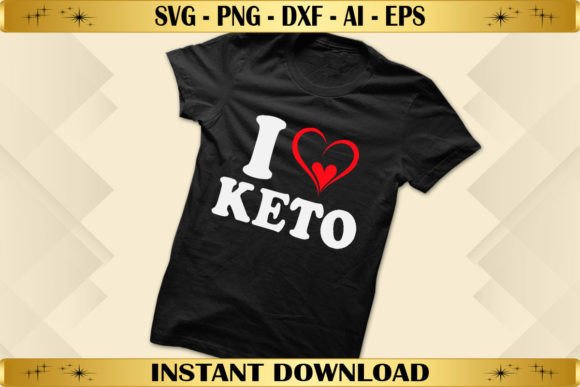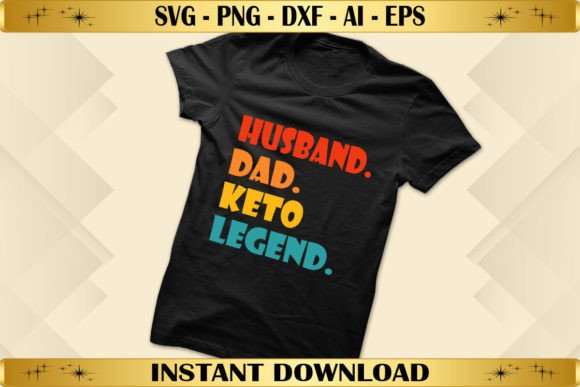
Husband Dad Keto Legend
First Impressions: Bold, Playful, and Instantly Recognizable
When I opened the Husband Dad Keto Legend files, what struck me first wasn’t technical precision—it was personality. The layout leans into confident, slightly cheeky energy: strong horizontal balance, clean lettering with subtle weight variation, and a centered, compact composition that feels made for chest placement on a crewneck or front panel of a tote. It’s not overly ornate—no flourishes, no extraneous graphics—just tight kerning, consistent stroke width, and intentional spacing between “Husband,” “Dad,” and “Keto Legend.” That simplicity is its strength. As a designer who regularly translates digital graphics into machine embroidery designs, I immediately saw how this would hold up in satin stitch outlines and balanced fill areas. It reads well at 3.5" wide—a sweet spot for sweatshirt embroidery or baby onesie branding—and avoids the cramped density that trips up small hoop sizes.
A Real-World Test: Embroidering It on a Linen-Cotton Kitchen Towel
Last week, I stitched Husband Dad Keto Legend onto a heavyweight linen-cotton tea towel for a client’s small shop launch. Why that fabric? Because it’s unforgiving—textured, loosely woven, and prone to puckering if stabilizer or stitch density isn’t dialed in. I used medium-weight cutaway stabilizer, 40-weight poly thread in charcoal gray (for contrast on natural fabric), and ran a quick test on scrap first. The result? Crisp legibility, no thread nesting in the “Keto” curve, and zero distortion around the “Dad” crossbar. That told me this design has thoughtful vector construction—not just scalable, but *stitch-aware*. It didn’t demand aggressive underlay or excessive stop-points, which means fewer trims and smoother commercial embroidery runs. For Etsy sellers bundling personalized gifts, that’s time saved and consistency earned.
Where It Shines—and Where to Pause
Husband Dad Keto Legend excels on stable, mid-to-heavyweight fabrics: cotton twill aprons, fleece-lined sweatshirts, structured tote bags, and even denim jackets. Its bold letterforms translate cleanly into satin stitch borders and smooth fill stitch interiors—no fragile serifs or hairline details to vanish in stitching. As a custom apparel staple, it works beautifully as a chest logo on unisex tees or a back-center motif on dad-themed holiday gifts (think: embroidered pillow covers for Father’s Day). It also holds up well as an embroidered patch—clean edges, minimal internal detail, easy peel-and-stick backing prep.
But be mindful: avoid it on ultra-thin knits (like lightweight jersey t-shirts) without extra stabilization—it lacks the fine running stitch accents that help anchor delicate fabrics. On curved surfaces like caps, test the top arch first; while the layout is horizontal-friendly, extreme crown curvature may compress letter spacing. And on dark fabric, skip light thread unless you’re using high-contrast options—this design relies on clarity, not subtlety. If you’re planning baby embroidery, size it down only to 2.75"; smaller risks losing the “Legend” weight and visual impact.
Design Assets That Support Your Craft Business
The file package—SVG, PNG, DXF, AI, EPS—is solid for multi-use workflows. As an embroidery designer, I imported the SVG directly into my digitizing software for quick conversion to .dst/.pes. The PNG served perfectly for printable mockups on Etsy listings (no pixelation, even at 300 DPI). The AI and EPS files gave me full layer control for color swaps or resizing without quality loss—critical when prepping variants for a boutique branding kit. But remember: these are print-ready *graphics*, not pre-digitized embroidery files. You’ll need to digitize Husband Dad Keto Legend yourself—or hire a digitizer—for actual machine embroidery use. That means reviewing stitch density, jump stitch placement, and underlay strategy before your first run.
What This Design Says to Your Customers
It says confidence, humor, and authenticity—all in one line. In a market flooded with generic “Dad Life” clipart, Husband Dad Keto Legend stands out by leaning into a specific, relatable identity without caricature. That builds trust. Buyers choosing it for a personalized gift aren’t just buying text—they’re buying recognition. I’ve seen repeat orders from craft fair vendors who use it on matching parent-child aprons (“Husband Dad Keto Legend” + “Mom Chef Keto Queen”). That kind of cohesion strengthens brand consistency across handmade product lines. And because it’s clean and scalable, it integrates seamlessly into broader design assets—think coordinating social media banners or packaging stickers built from the same vector source.
Practical Designer Notes Before You Stitch
- Always test Husband Dad Keto Legend on scrap fabric matching your final product’s weight and stretch.
- Check thread color contrast on both light and dark backgrounds—especially if offering customizable options.
- Review stitch density in your digitized version: avoid overfilling the “o” or “e” counters, which can cause stiffness on soft fabrics.
- Confirm hoop size compatibility—its natural width fits standard 4x4 hoops comfortably, but verify before batching.
- Inspect corners and intersections in your embroidery file: sharp angles in “K” and “R” should digitize cleanly without skipped stitches.
- Use proper stabilizer—cutaway for knits, tearaway for stable wovens—to prevent shifting during dense satin stitch runs.
- Verify licensing terms before selling finished items or reselling the digital embroidery file—this package includes graphic formats, not commercial-use embroidery files by default.
- Try black-and-white mockups first: if it reads clearly without color, it’ll hold up through frequent washing and daily wear.
Final Thought: A Reliable Workhorse for Purpose-Driven Projects
Husband Dad Keto Legend isn’t flashy—but it doesn’t need to be. It’s a grounded, versatile T-Shirt Designs asset that earns its place in real embroidery projects: on sweatshirts for gym dads, on kitchen towels for keto-cooking couples, on patches for wellness-focused small shops. It supports handmade product storytelling without overwhelming it. For Etsy sellers, craft business owners, and embroidery designers alike, it’s less of a “trend piece” and more of a quietly dependable tool—one that delivers clarity, charm, and commercial readiness, stitch after thoughtful stitch.